Where Communication Meets Compassion
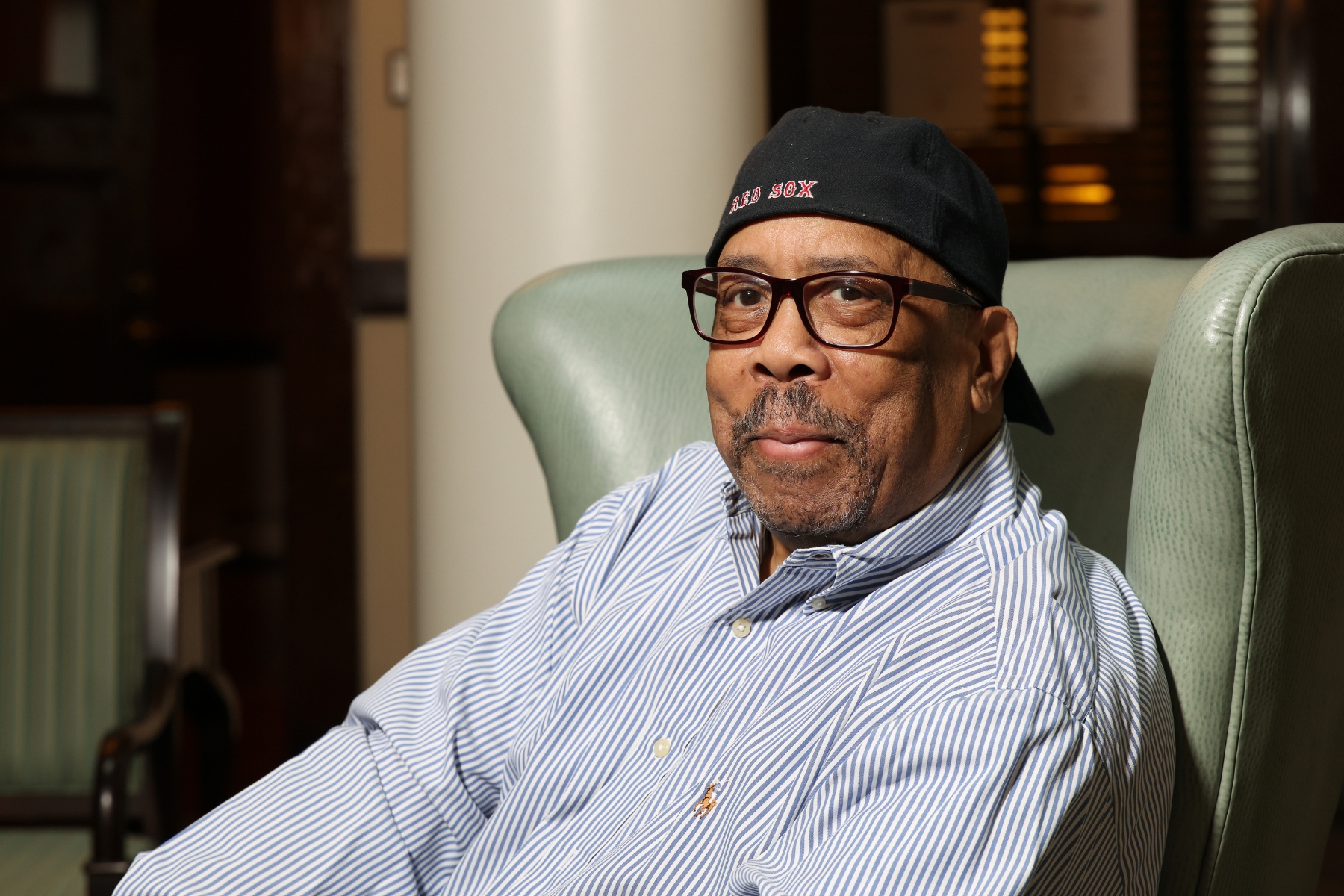
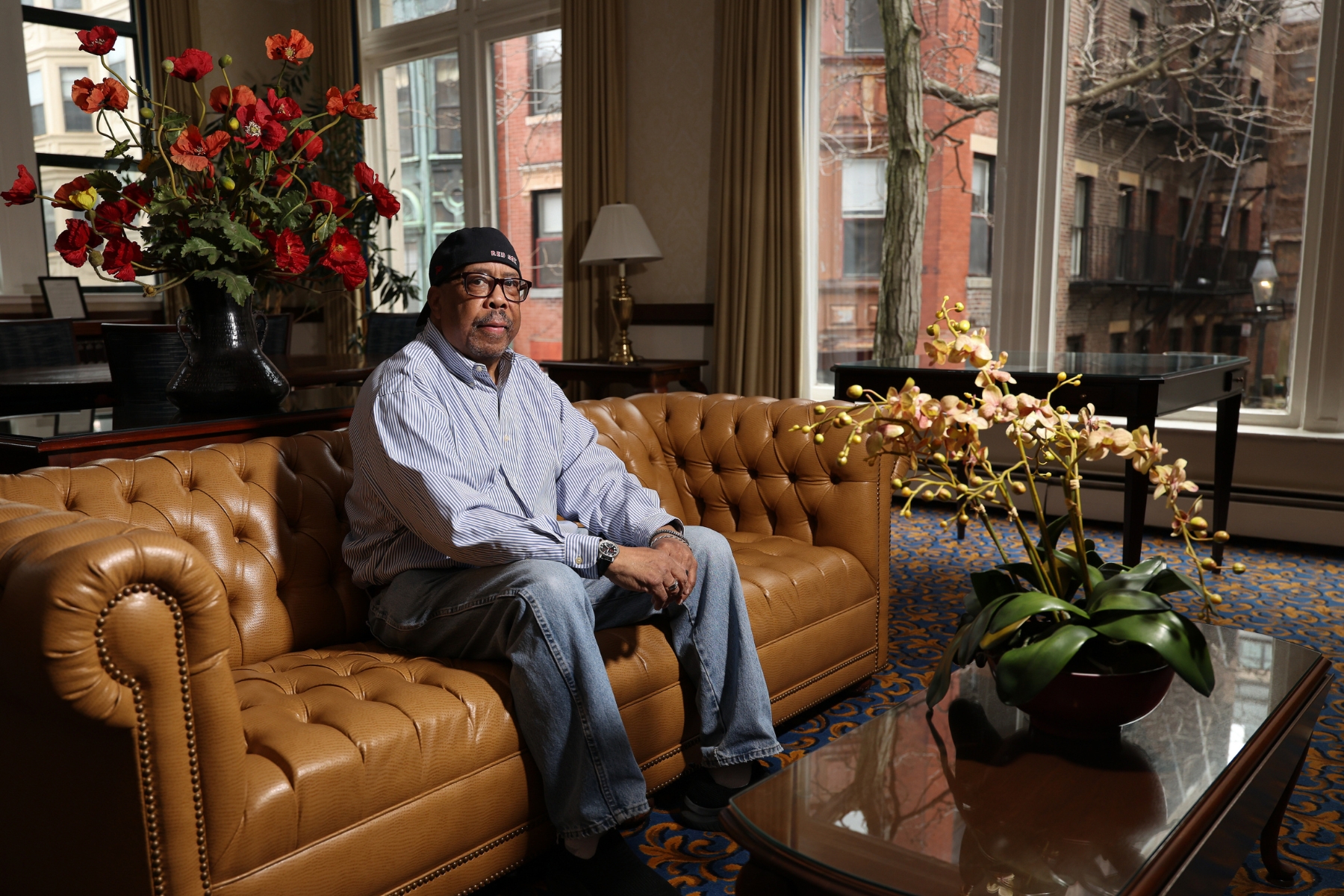
When you first meet Steve Sailsman, he’ll pull a laminated card out of his wallet and hand it to you. It’s worn and creased; it has clearly been handed back and forth many, many times. The card explains that he has aphasia, a language disorder that often makes speech difficult. It asks for patience when conversing with him and to try to avoid cutting him off, noting that he can understand and think clearly, but can have trouble finding and forming words.
In an unrestrained, fast-paced world, it can be challenging to force yourself to slow down—to stop, sometimes—to give another person time and space to express himself. But if you can manage it, you will encounter someone who has persevered with uncommon good humor in the face of sometimes daunting challenges.
And you might also gain a good friend in the bargain.
Unfortunately, like too many older adults, particularly in Greater Boston, Steve has had difficulty finding and retaining affordable housing—housing that enables him to remain engaged in his community. Though he has been in the city his entire life, he has struggled at times to remain housed at all. While living across the Charles River in Cambridge for a time, he shares, he alternated between staying in a local church and sleeping on the street.
It’s difficult to imagine a harder life. Yet it’s a reality for an increasing number of people in Massachusetts, especially older adults. Federal data show a 17 percent jump in the number of Massachusetts adults ages 55 and older counted as homeless from 2023 to 2024—nationally, that increase was six percent. Boston in particular struggled with the second-highest rate of homelessness among major U.S. cities in 2024. Think tanks, government, and social service organizations all point to a lack of affordable housing as one of the main factors exacerbating the crisis.
In his characteristic fashion, however, Steve downplays the hardship.
“I had a sleeping spot there,” he says mildly, “so I was good. I sold the Spare Change Newspaper for a dollar. They gave me the change from that for eating and stuff like that.”
Regardless of his unperturbed attitude, this lifestyle was unsustainable in the long run. Steve was fortunate enough to connect with an advocate at a local nonprofit focused on preventing homelessness, who helped place him in stable housing in South Boston. Though he was grateful for an apartment to call his own, Steve endured plenty of shortcomings there as well. Over the years, they began to wear on him.
“It was small,” he recalls, indicating an area less than half the size of his current one-bedroom apartment. “And the fire house was right across the street. So when they went to a job—bam! I was up.”
It was not exactly an ideal—or healthy—place for Steve to grow older. So he appealed again to his housing advocate. This time, he was surprised to be taken up to Beacon Hill and shown an apartment that, while in the middle of being refurbished, was an obvious improvement. He didn’t hesitate.
“I said, holy smokes, look how big this place is!” Steve recalls, laughing. “I’m good, I’ll take this. This was beautiful.”
His new home was Beacon House, where he’s lived since 2019—and it provides more than just some extra square footage. Steve is now surrounded by, and part of, a supportive community, a fact he discovered just by walking down the hall to the gym facility on the ground floor. This is where Rogerson Fitness FIRST specialist Denise Banks helps residents remain active and healthy right where they live. Though he has some mobility challenges, occasionally relying on a cane or a motorized scooter to get around, maintaining his independence is hugely important to Steve. He knew that an exercise space could help. Yet the gym, and Denise, ended up providing much more than a simple fitness program.
“We began by just communicating,” says Denise of their first meeting, explaining that by giving Steve time to express himself, she could better determine his health status and fitness goals. With her help, they determined that he would benefit most from a consistent stretching regimen, and today it’s part of his regular routine. Twice a week he heads down to the gym to meet up with Denise and four other residents for a session that’s as much about socialization as it is about stretching. Participants converse, share stories, and laugh together in ways that build connection and community among them.
“One of the gentlemen always had his hat on,” Denise says, offering an example. “I said, ‘What’s up underneath that hat?’ He said, ‘Oh, I can’t show you.’ And Steve’s like, ‘Come on, come on!’”
When the resident relented and showed an unruly mop of hair to the group, Denise says, there was some friendly laughter—but something else as well.
“Steve said, ‘I cut hair.’ So he made an appointment with his neighbor, and later on that day Steve gave him a haircut. And for the rest of the month until his hair grew back, that man strutted around like a rooster!”
As a fitness specialist, Denise works at several Rogerson communities around Boston, interacting with dozens of residents. One of her favorite aspects of her job, she says, is seeing the compassion and empathy that emerge among them—people of different cultures, from different backgrounds, speaking different languages—in their shared communities.
“Everybody has challenges in some way, shape, or form,” she observes, “and it’s not an issue. There’s an acceptance: ‘You are my neighbor. You’re my buddy. We live in this place together. This is our home.’”
It’s a sentiment that Steve clearly shares. Asked what his favorite single thing is about Beacon House, he doesn’t hesitate.
“People. It’s the people. Everybody says, ‘Steve, hi, how you doing?’ When we’re talking, they wait ‘til I’m done. It’s like a family here. I really like this place.”