Rogerson House Redevelopment Project Receives Full Zoning Approval
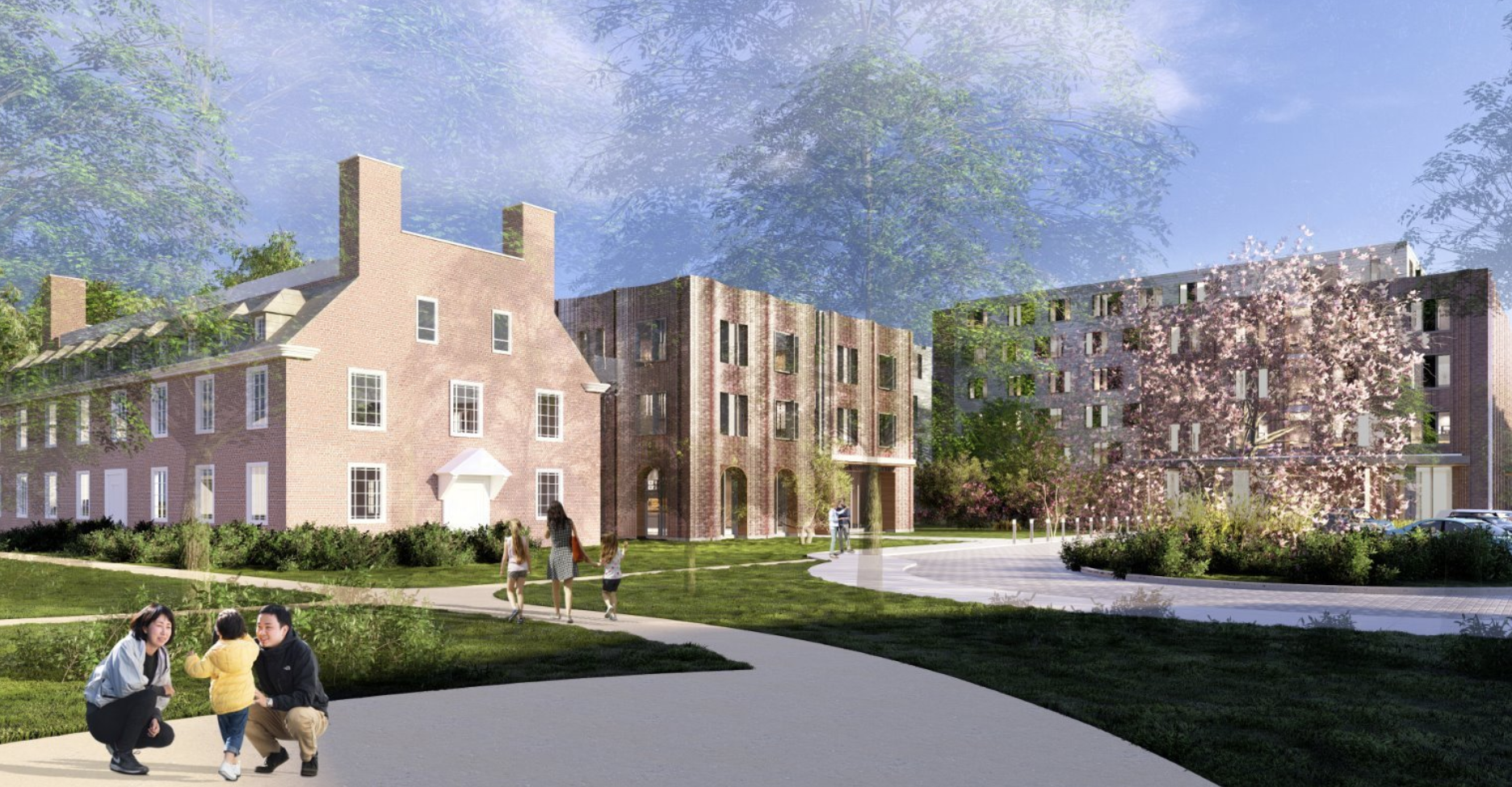
At the beginning of June, Rogerson Communities received full zoning approval from the City of Boston for our Rogerson House redevelopment project in Jamaica Plain. This approval, granted unanimously by Boston’s Zoning Board of Appeals, caps off a two-year entitlements process involving multiple public meetings, design reviews, and stakeholder discussions.
Originally opened in 1997 as the Boston Alzheimer’s Center, Rogerson House was the first assisted living community in Greater Boston to care exclusively for individuals with Alzheimer’s disease. Our flagship community will now be redeveloped to contemporary standards with a wide array of improvements.
The new Rogerson House will consist of 66 memory care residences, a doubling of the number of memory care units on site. Instead of companion suites with shared bathrooms—once the standard for memory care socialization—each resident in the new Rogerson House will get the privacy of their own room and bathroom. Notably, the project also addresses the crisis of affordability and availability of housing in the Commonwealth, adding 41 income-eligible independent living apartments to the upper floors of the new building. The redeveloped community will also include upgraded space for our 24-person memory care social day program.
Amenities will include a library, on-site hair and beauty salon, and Rogerson Fitness FIRST center. New gardens and outdoor spaces will be open to the community, bringing residents together with neighbors and deepening Rogerson House’s connection to Jamaica Plain.
“We’re excited to clear this major milestone in making a new Rogerson House a reality and expanding sorely needed affordable homes and memory care options for older adults,” said Rogerson President and CEO Walter Ramos. “We extend our thanks to the numerous neighborhood residents, community organizations, city agencies, and elected officials who provided feedback in this comprehensive public engagement process. Their involvement has strengthened this project’s connection to the local community.”