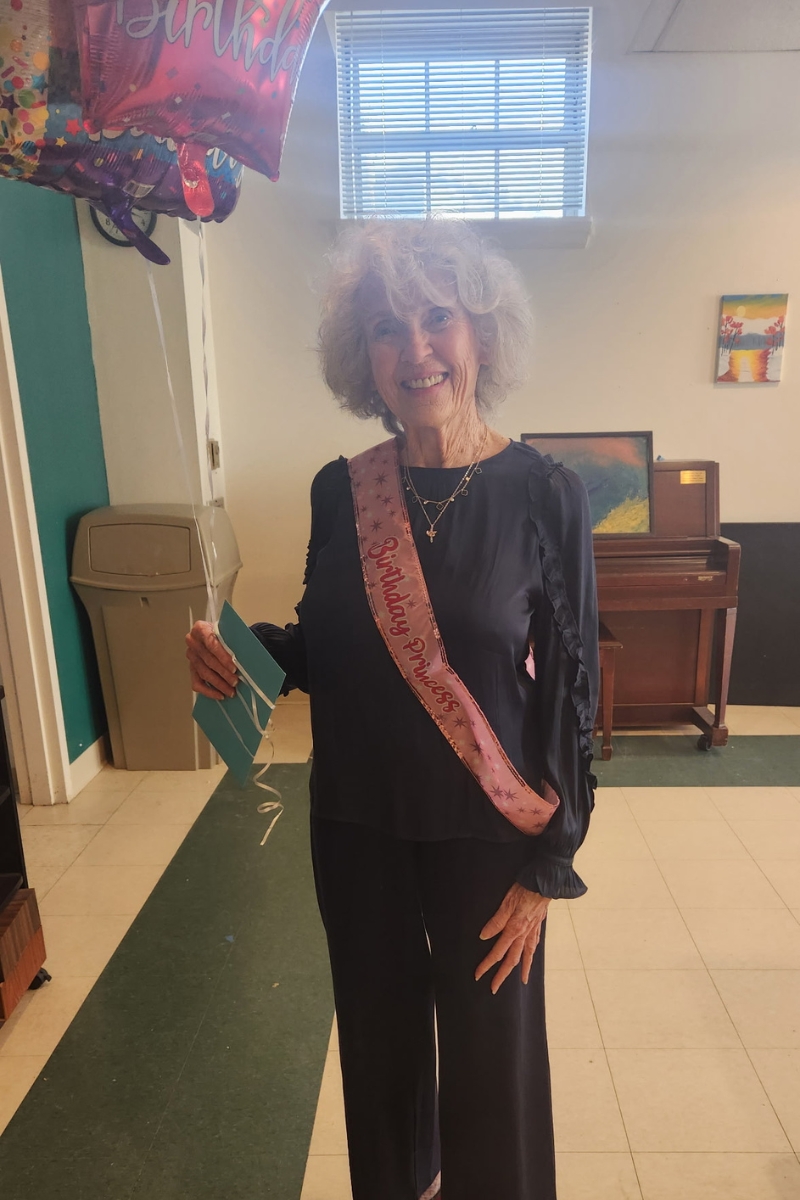
Becoming the Grandmother She’d Always Hoped to Be
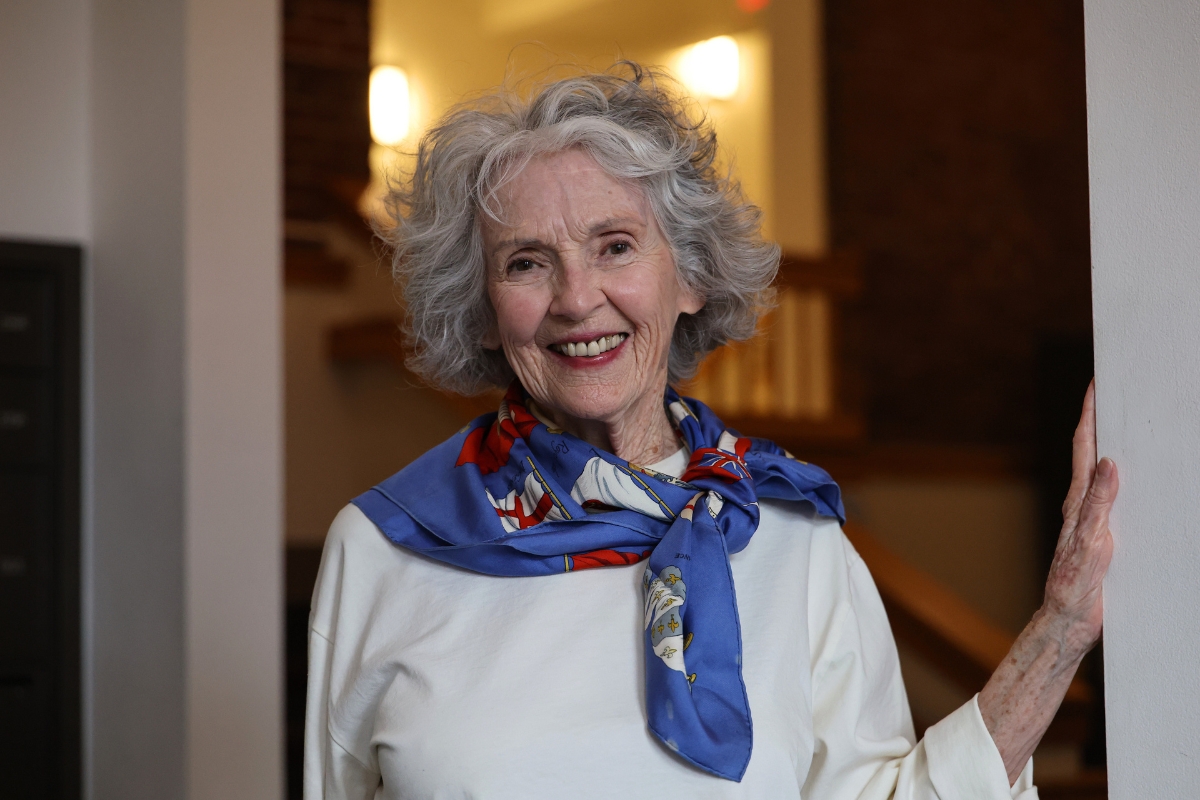
Judy Mongello wanted what many people want—to be near her loved ones as she aged. But with a son, her only child, living in one of the most expensive real estate markets in the country, that dream felt out of reach.
Judy had eased into a comfortable retirement in Dallas, Texas after a 42-year career that encompassed roles from flight attendant to administrative assistant to overseeing employee relations for a major hotel corporation. When her son and his wife welcomed twin boys into the world in 2012, however, she took on yet another role—grandmother.
She was overjoyed of course, flying up to Boston almost monthly to visit and help out with the new babies. Judy was a seasoned traveler, yet these trips started to take a toll both on her energy and her finances. So she made the difficult decision to leave the home she loved in Texas and move closer to her son and his family.
“I had a really great house, and a wonderful neighborhood and friends, and I loved Dallas,” Judy reflects. “But I’ve learned in life that any major decision is a trade-off. You get one thing here, you give up something over there.”
At first she lived with a friend in New Jersey, riding buses and trains all day to see her loved ones and to look for a more permanent residence in Boston. It quickly became clear, however, that while her retirement income had let her live comfortably in Texas, Boston’s housing market was another world. Despite having some savings, Social Security, and even a small pension, it was simply not enough to afford a home anywhere near her son, even if she radically downsized and watched every penny. And she was unwilling to risk becoming a burden to her son by moving in with him.
During one of Judy’s visits, her son’s neighbor suggested that she investigate subsidized housing, where rent would be limited to maintain affordability on a fixed income like hers. Judy discovered a possibility roughly a mile away, a striking building that she had noticed before on walks to a nearby playground with her grandsons. With its red brick, peaked slate roof, and copper trim, it was clearly historic—and unlike anything she’d ever seen living in Dallas.
The residence she admired was Longfellow House, built as an elementary school over 120 years ago and redeveloped in the 1990s by Rogerson Communities into affordable housing for older adults. She eagerly filled out an application for an apartment there, but was informed of another harsh reality: the wait would likely be long—a matter of years. Then, as now, affordable housing was in chronically short supply.
Resigned to wait, she moved to a rented apartment in New Bedford, Massachusetts—finally in the right state, but still making two-hour round trips to see the family she’d given up her home for. Every time she took her grandsons to the playground, she would gaze over at Longfellow House.
“I would sit there,” she says, “and I would say a prayer. I would look at this place and I would say, ‘That’s where I want to be.’”
Judy began to wonder what her trade-off might really mean, and whether New Bedford was as close to her family as she would ever get.
After two and a half years, her prayers were answered. A home was available at Longfellow. And it was very different from her home in Dallas—a one-bedroom apartment instead of a single-family house, a galley kitchen instead of full-size, no longer any backyard outside her window. Yet she finally felt like she was where she belonged.
“I’m loving it,” Judy declares. “I’m with these babies, and I’m watching them grow. And I’m back with my son again.”
What’s more, in her ten years now as a resident at Longfellow, Judy has gained more than her long-sought closeness with family. She’s found new friends and a supportive community as well.
Whether it’s shared meals, poetry readings, guest speakers, or art classes, there is always something to do in the building, and people to do it with. Game days, organized by her friend Pat, are one of her favorites. And it’s a community, Judy points out, that extends beyond the walls of Longfellow.
“Pat’s daughter often makes game day really special,” she shares. “She’ll make food, she’ll bring sandwiches or Dunkin’ coffee and donuts. She loves doing things for this building, the people in this building. And her reasoning is, ‘I like to see people be happy.’”
Twelve years after leaving Dallas behind, Judy once again feels like she’s in the ideal place for her: a home that, while smaller, is easier to maintain, surrounded by friends, and close enough to her son’s family that she can have dinner with them every Sunday. And because it’s affordable on her limited income, what at first seemed like a significant compromise now feels like an incredible stroke of luck.
In reality, the only remarkable thing about Judy’s story is how unremarkable it is. Like millions of older adults, she was determined to be the grandmother she always hoped to be. Yet fulfilling this simple human impulse hinged on housing. And as Judy discovered, an older adult in Massachusetts doesn’t have to be destitute for housing to remain out of reach. The state consistently ranks as the least affordable for older adults, with an Elder Index (a measure of costs faced by those 65 or older living independently) of around 125 percent of the national average. For renters, housing accounts for more than half of that cost.
But not for Judy. With the help of Rogerson, she found a home that is close to her family, dignified, and affordable.
“I can still have a life,” she says, “a life where I can eat out once in a while. I don’t go to the grocery store and count my pennies, and I’m in a lovely, secure place and a safe neighborhood. I’ve told my family, you’ll take me out feet-first from Longfellow House!”